 ChatGPT
 Claude
 Perplexity
 Google AI
On this page
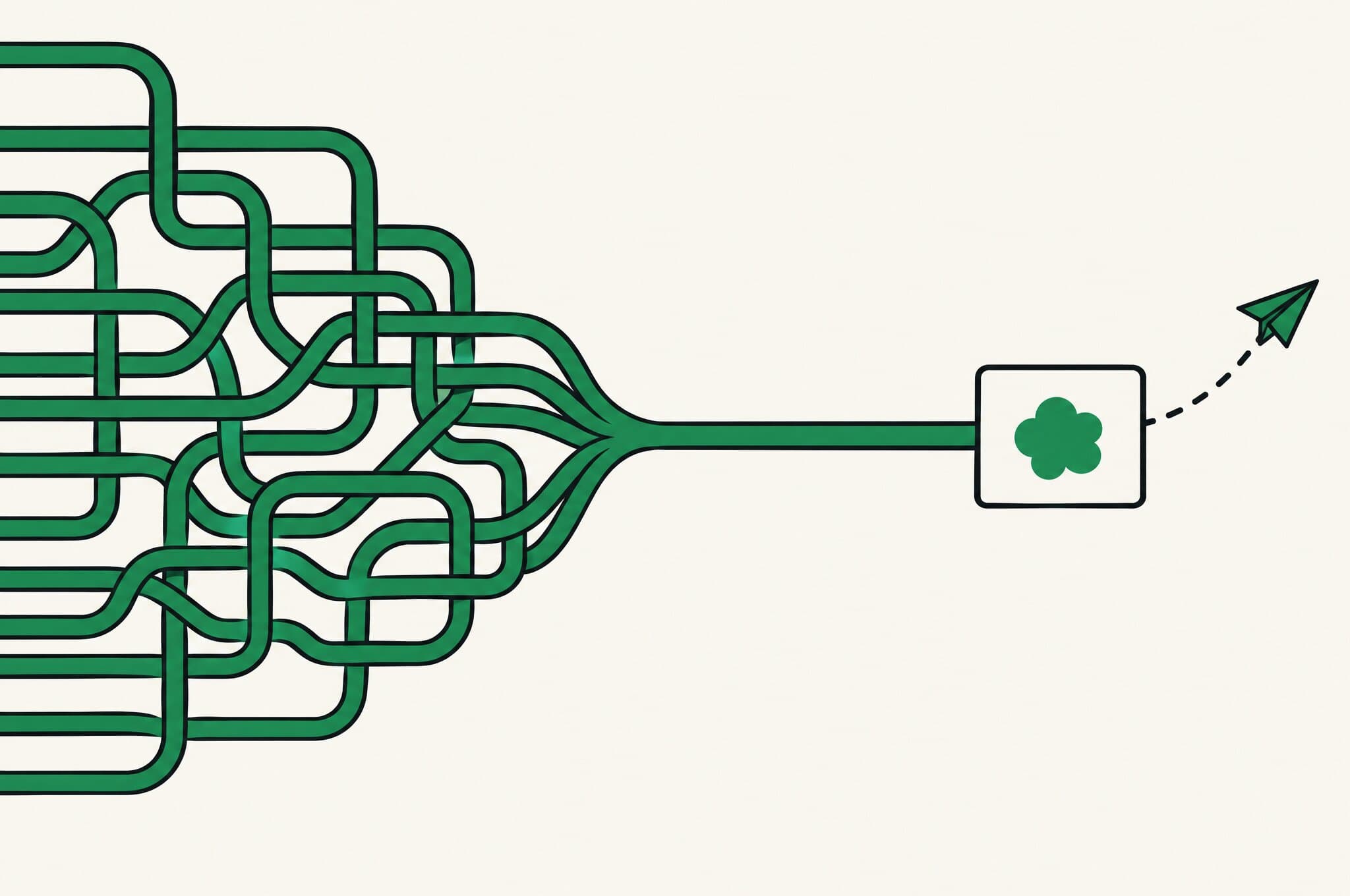
Clay is the best workbench in outbound. A good operator can turn it into lead lists nobody else has: enrichment waterfalls, AI research columns, scoring formulas, all running while they sleep. The catch is in that sentence. The table needs an operator, and when the table is done, someone still has to write to the people in it, send, follow up and read the replies. If that someone is you, and the table has become a second job, this guide is how to move to Revnu.
What changes when you switch
Clay builds the list. Revnu builds the list and works it. It finds companies that fit who you sell to, finds the right person at each, researches what you ask about, writes in your voice, sends at a human pace, reads replies and drafts your answers. It runs SEO, LinkedIn and ads from the same memory, so what it learns about your buyers in outbound carries over. The longer comparison is Clay vs Revnu.
You keep the judgment. The first sequence waits for your approval, and you decide whether later ones do too.
What to bring over
From Clay, collect:
Your table, as a CSV. Filter it to the rows you would actually contact, then export. Make sure it has names, titles, emails, LinkedIn profiles and company websites.
What your AI columns asked. The prompts are the valuable part. Write each one down as a plain question.
Your exclusions. Customers, open deals, competitors, anyone who asked not to be contacted.
Your scoring logic, in words. The formula that decided who made the list is a description of your buyer. Say it as a sentence.
Your sequence, if the table fed a sender. Copy the steps and waits from wherever they lived.
How each piece comes in
Your table. Drop the CSV into the chat on your Revnu dashboard (or in Slack, if Revnu is in your workspace) and say what it is: "here's my lead list, add these to my leads." The chat takes a PDF, Word, PowerPoint, Excel, CSV, text file, image or video, up to 10 files of 10 MB each, so an Excel export works too. Revnu reads the file as it is, saves each company and person to your Leads page with the title, email and LinkedIn profile from the export, and labels the batch so you can find it later. It also checks every company against who you sell to, and tells you which rows it skipped as a poor fit and why. It keeps the company details it can use, like industry, headcount and location, but it doesn't re-run the enrichment behind any of your columns.
Your AI columns. Ask for them as research columns: "add a column for whether they're hiring salespeople" or "a column with the tool they use for billing." Revnu adds the column to your Leads page and researches it for each lead, as a text answer or a yes or no. You don't write prompts, pick providers or manage credits.
Your scoring logic. Paste your sentence into the chat, or edit it yourself in Settings under Memory, in About This Business. Revnu reads it every time it picks a company, so the filter you encoded in a formula becomes the brief it works from.
Your exclusions. In Settings, open the Block List, add entries, and paste a column of emails, company domains or LinkedIn profile links straight from the export; a messy CSV column works without cleaning. A domain blocks everyone at that company. The list is checked before every send, email and LinkedIn alike, so nobody on it hears from Revnu. You can also tell Revnu in chat: "never contact anyone at these companies."
Your sequence. Paste your best-performing sequence into the chat, every step with its wait. Revnu keeps your words as they are unless you ask it to change something, and saves the sequence for you to review on the Leads page, where you can edit any step and approve it. A sequence is a first email plus up to three follow-ups, one to 30 business days apart, each sent in the same thread and stopped the moment someone replies. Your first sequence always waits for your yes. After that, the Start Sequences setting decides: Ask Me First keeps each new sequence waiting for you, and Just Do It lets Revnu start them itself.
Your mailbox. Your own Gmail or Google Workspace inbox, or Outlook or Microsoft 365, connects on the Connections page. It can send the day you connect it, and Revnu writes as the person who owns it. For cold email at volume, Revnu can also set up separate outreach domains that look like yours, with inboxes on them, so your main domain's reputation is never on the line. It proposes the domains, buys nothing until you approve, and warms the new inboxes for about two weeks before they send.
LinkedIn. Connect your LinkedIn account on the same Connections page. Revnu sends connection requests and messages as you, inside daily caps and normal working hours, and can put LinkedIn steps in a sequence: an invite, then a message once they accept.
What Revnu takes off your plate
Building the list. Revnu finds new companies that fit and the right person at each, without a table, a template or a waterfall.
Emails, found and verified. Each work email is looked up and checked before anything sends. No credits, no provider accounts.
Research. The columns you ask for, filled in per lead.
The part after the table. Writing, sending at a human pace, follow-ups that stop on a reply, and drafting your answers to replies, with your booking link when they want to talk. Replies to prospects wait for you.
Knowing what's working. Which kinds of companies answer, which don't, and where to spend effort next, across channels.
What doesn't carry over
Formulas, waterfalls and AI prompts. Revnu keeps the values it can use; the logic that produced them doesn't run in Revnu. Rebuild the questions that matter as research columns.
Integrations and webhooks. Pushes from Clay into your CRM or sender stay in Clay. Revnu doesn't sync with HubSpot or Salesforce.
Your Clay credits and provider keys. They stay with Clay; Revnu doesn't need them.
Fine-grained control over every cell. Clay lets an operator decide exactly how each value is found. Revnu decides how to research and tells you what it found and where it came from.
Rows that don't fit. Revnu won't queue people it judges a poor fit for what you sell, and tells you which and why.
If a sender is still working from your Clay table, keep each person in one place: pause those sends for anyone you import, or block the people still in them until they finish.
The five-minute setup
Go to revnu.com/sign-up and give it your website. Revnu reads the site, which takes about a minute.
Check what it found: what you sell, who you sell to, and anything it should never say. That becomes its memory of your business, and you can edit it any time in Settings.
Add your card on Stripe's page. Plans start at $99 a month.
On the Connections page, connect your Gmail or Outlook inbox, and LinkedIn if you use it.
Drop your export into the chat and say what it is.
If you live in a coding agent, you can do the whole thing from there. In Claude Code, run claude mcp add --transport http --scope user revnu https://revnu.com/api/mcp, then say "Set me up with revnu.com" and it walks you through the same steps. Other agents are on the setup page.
Where this leaves you
If you have an operator who loves the canvas and has the hours, keep Clay. It is the most powerful list-building tool there is, and the list of Clay alternatives covers the others if you want to compare.
If the table has become your evening job, export it, write down what your AI columns asked, paste your exclusions, connect an inbox, and approve the first sequence. Revnu builds the next list and works it, and you sign off on what goes out.
Written by

Co-founder, Revnu