SEO for startups
SEO for Startups: How to Rank When Nobody Knows You
On this page
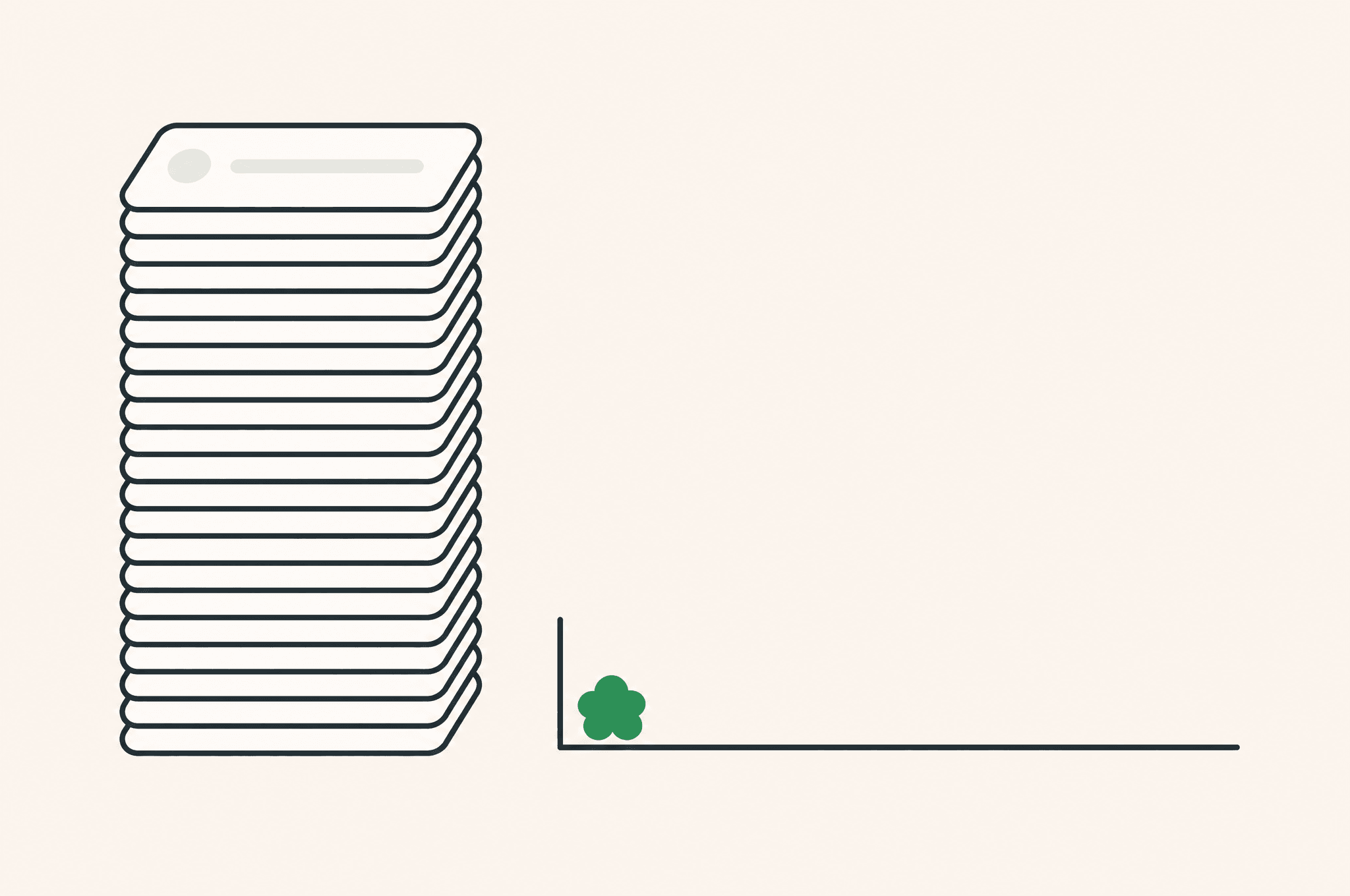
A founder I work with launched with a blog on day one. He published twenty posts in the first month: a few "what is" explainers, some "top ten tools" roundups, a couple of opinion pieces, the odd news reaction. A year later that blog brought him almost no one. The posts were not bad. They answered questions nobody searched, or questions a thousand stronger sites had already answered better. He had confused activity with SEO.
This is the most common way SEO for startups goes wrong. Not bad writing, not a missing meta tag, but effort pointed in a direction that cannot compound. A new domain has almost no authority, so it cannot win on volume or on broad head terms. It can only win by being the most useful answer to a narrow question its buyer actually types. This post is the version of SEO that works when nobody knows your name yet, written for founders who would rather spend the time building.
Why "more posts" is not a strategy
Here is the number that should reset your expectations. Ahrefs studied around a billion web pages and found that 90.6 percent of them get no organic traffic from Google at all (Ahrefs, 2020). Not a little. None. Most content that gets written is invisible the day it ships and stays that way.
The reason is not quality, it is authority. Ranking is a function of how useful and trusted a page is relative to everything else competing for the same query. A new startup domain starts near zero on trust, so a broad post like "content marketing tips" walks into a fight against sites with a decade of links behind them and cannot win it. Publishing more of those posts does not add up to a strategy. It adds up to a graveyard of pages nobody reads.
The goal is not pages. The goal is the right page, aimed at a query you can actually win, that compounds once it lands. Treat each post as a bet, not a brick.
Start with intent, not volume
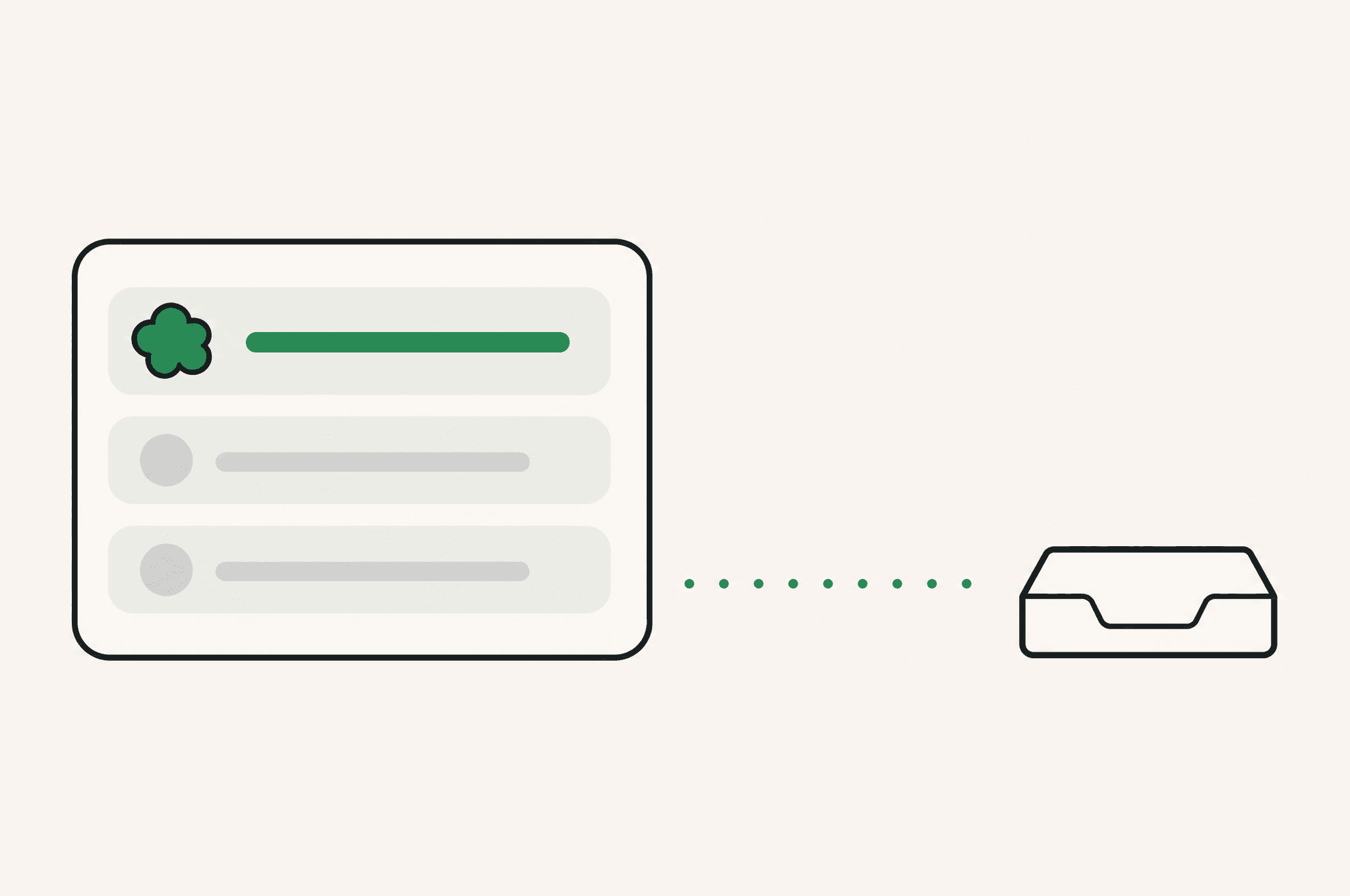
A keyword is not a topic. Intent is. Before you write anything, sort the queries your buyer might type into two piles: questions someone asks while researching the problem, and questions someone asks while looking for the thing you sell. The second pile is smaller, less searched, and worth far more.
A startup that sells, say, invoicing software for freelancers should not chase "how to be a freelancer." Too broad, too contested, and the people reading it are not buying anything. It should chase "best invoicing software for freelance designers" and "how to send a late payment reminder." Lower volume, sharper intent, and a domain with little authority can realistically rank for the long-tail version while the broad term stays out of reach for a year.
Write down ten queries your buyer types when they are close to needing you. Pick the one with the clearest intent and the weakest competing pages. That is your next post. Specificity is the only edge a small site has, so use it.
Write the one page that deserves to rank
Once you have the query, the bar is simple and high: be the most useful answer on the internet to that exact question. Not the longest. The most useful. Google's own guidance has pushed in this direction for years, rewarding first-hand experience and real expertise over assembled summaries (Google Search Central, 2024).
This is where a startup actually has an advantage, and it is the same one marketing for technical founders leans on. You have done the thing. You can write the page that the freelance content writer at a competitor cannot, because you have run the workflow, hit the edge cases, and know what the generic advice gets wrong. Show the mechanism, name the specific tools and numbers, and admit what does not work. A page with a real point of view and a concrete anchor reads as written by someone who knows, because it was.
Skip the thin "ultimate guide" that restates the top five results. That page already exists five times and yours will be the sixth nobody finds.
Internal links are the lever you control
You cannot buy domain authority quickly, and you should not try. The one ranking signal you fully control is how the pages on your own site connect to each other. Internal links route relevance and trust between your pages and tell Google which ones matter.
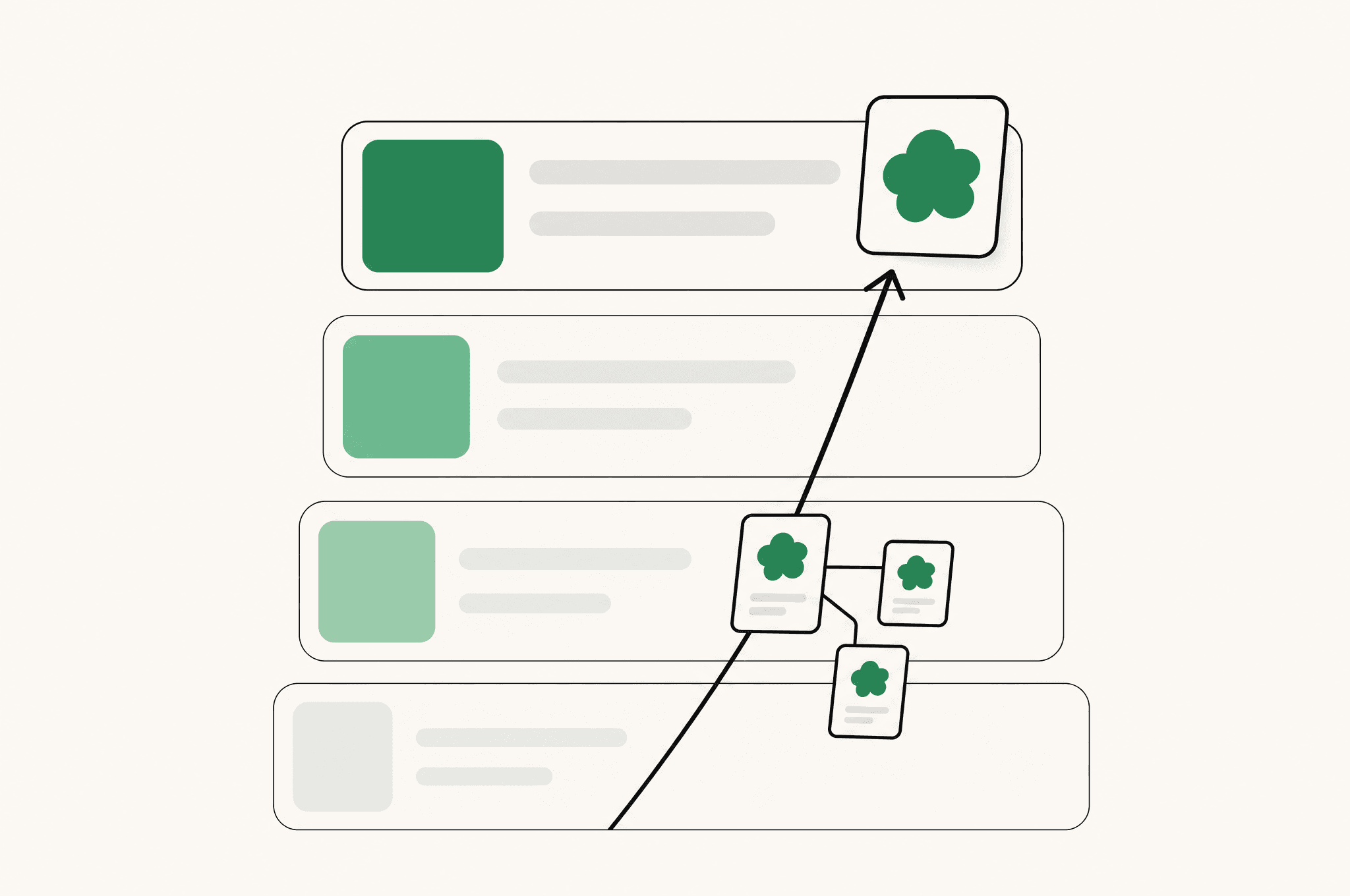
The move is to build clusters, not scattered one-offs. Write three or four closely related posts on one narrow theme, then link them to each other and to the product page they all point toward. Each new post in the cluster lifts the others. A single orphaned post sits alone and gets no help; the same post wired into a cluster of four borrows authority from all of them. This is also why dedup matters: two posts targeting the same query split your own authority and compete with each other instead of compounding.
Use plain, descriptive anchor text and link only where it genuinely helps the reader. A link that reads "invoicing software for freelancers" tells Google more about the target page than one that reads "click here," and it earns more clicks too. The goal is a small map of pages that clearly belong together, all pointing at the page where someone becomes a customer.
SEO and AI answers are now the same job
Your buyer no longer only types into Google. They ask ChatGPT, Perplexity, and Gemini "what is the best tool for X," and they trust the answer. That sounds like a new channel to learn. It is mostly the same one.
Language models draw on the web they were trained on and, increasingly, on live search results, so the page that ranks and earns links is also the page a model is most likely to cite. Clear structure, a direct answer near the top, named sources, and real expertise are what win in both places at once. The mechanics of how models pick what to recommend have their own wrinkles, and how to get recommended by ChatGPT covers them. The reassuring part for a startup is that you do not run two content strategies. You run one good one, and it pays off in both search and answers.
Give it the timeline it actually needs
SEO is the slowest channel you will run, and judging it on a fast channel's clock is how founders quit right before it works. Ahrefs found that only 5.7 percent of pages rank in Google's top ten for any keyword within a year of publishing (Ahrefs, 2017). The pages that do win are usually the ones whose authors kept going while everyone else stopped.
So pair it correctly. Run direct outreach for conversations this month, the motion how to get your first customers walks through, and run SEO for the traffic that arrives next year and never leaves. Publish on a steady cadence, one strong post at a time, and resist the urge to judge a four-month-old post as a failure. The compounding does not start until the domain earns enough trust to rank, and that takes the months it takes.
The catch is that a steady weekly cadence is exactly the work a busy founder drops the week a customer escalates or a release slips. The first thing to slip is always the post you did not have to write.
What SEO for startups looks like with Revnu
Revnu exists because the SEO that works is simple to describe and hard to sustain by hand. You connect your site and tell it your buyer; it researches the queries worth winning, checks them against what you have already published so nothing cannibalizes, drafts the genuinely useful version with your facts and your voice, and wires each post into the right internal cluster. Every draft waits for your approval before it goes live, so nothing publishes in your name without a tap. It keeps the cadence you would otherwise skip and learns which posts pull traffic so the next one is sharper. SEO is one lane of a cross-channel agent rather than a tool you babysit, which is the broader idea in how to use AI for marketing. You can see the full set of lanes on the features page.
Two tools you will meet early are content graders and on-page optimizers; Surfer SEO vs Revnu and Clearscope vs Revnu cover when each is worth buying.
Where this leaves you
SEO for startups is not a volume game and never was. It is a small number of genuinely useful pages, each aimed at a query your buyer actually types, wired into a tight cluster, given the months it needs to compound. Your unfair advantage is that you have done the thing and can write the page a freelancer cannot. The losing move is twenty thin posts in month one; the winning move is one strong post a week, sustained past the point most founders quit. Start the cluster this week, pick the query you can actually win, and let it compound while you go back to building.
Let Revnu run this for you.
Connect your product and Revnu drafts the SEO, ads, and outbound. You approve in one tap. Book a 30-minute call and see it on your stack.
Book a demoFrequently asked questions
How long does SEO take to work for a new startup?
Plan for four to twelve months before content brings steady traffic, and longer for competitive terms. A new domain has no authority, so it has to earn trust before Google ranks it. Outreach can produce conversations this week, but SEO compounds slowly. Judge it on the right clock and do not quit at week three when the slow channel has not paid off yet.
Should an early startup do SEO or paid ads first?
Run outreach and a little SEO from day one, and add paid ads only once you know what converts. SEO is the channel that compounds, so the cost of waiting is real: a post you publish today keeps working for years. Ads buy immediate traffic but stop the day you stop paying. Start the slow compounding channel early and let the fast channels fund the wait.
How many blog posts should a startup publish?
Fewer than you think, each one genuinely useful. One post a week that targets a query your buyer actually types beats ten thin posts that target nothing. Volume without intent gets you a blog full of pages that no one finds. Pick the next post in a tight topical cluster, write the best answer on the internet to that one question, then do it again.
Does SEO still matter when buyers ask ChatGPT for recommendations?
Yes, and the work overlaps almost completely. Language models pull from the same web they were trained on and, increasingly, from live search, so the page that ranks is also the page that gets cited. Strong, clear, well-linked content is what wins in both. For the specifics of how models choose what to recommend, see our post on getting recommended by ChatGPT.
Written by
Art Freebrey
Co-founder, Revnu